How vibration builds bone
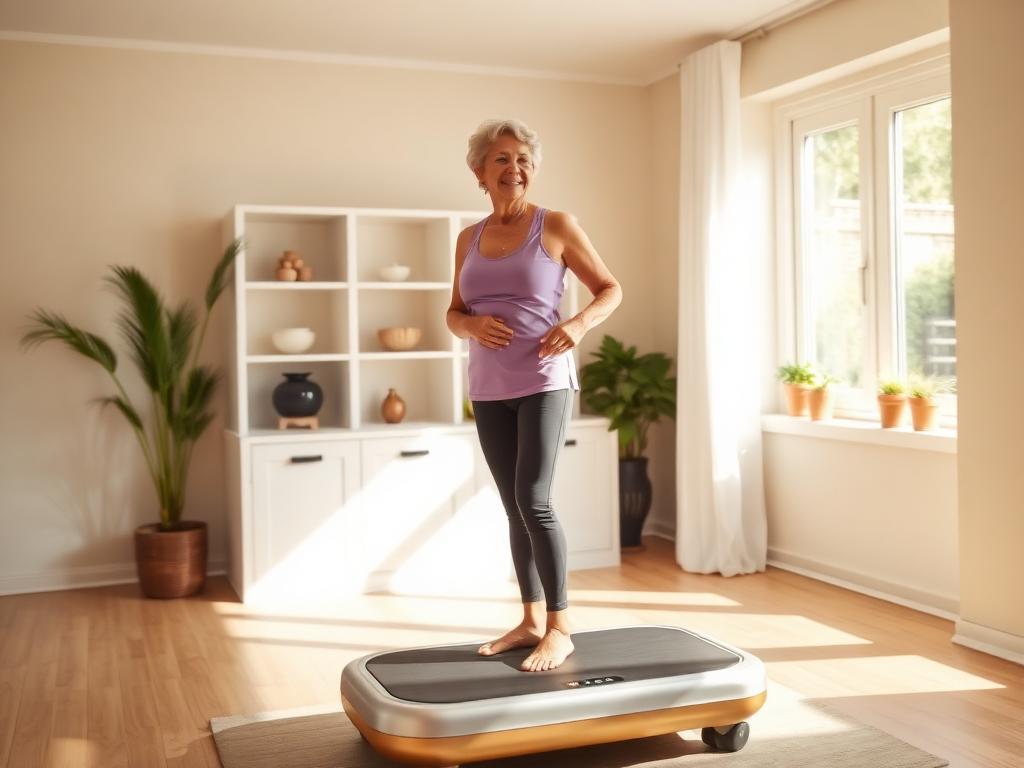
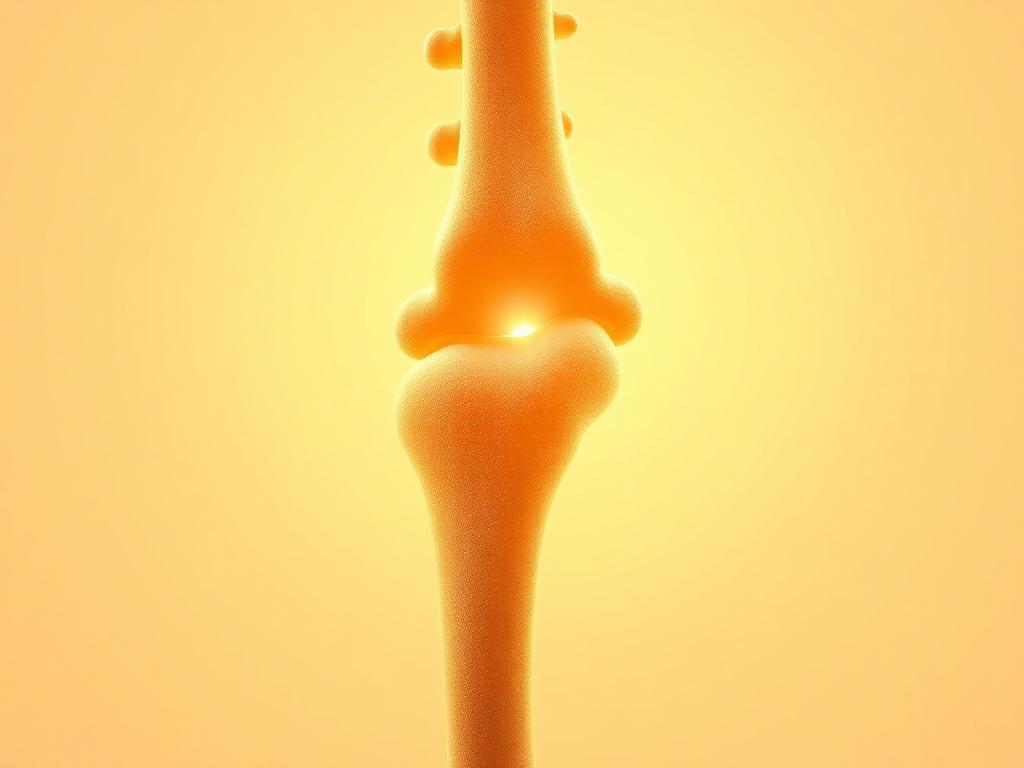
Bone is living tissue. It rebuilds itself in response to mechanical stress — that's why astronauts lose bone mass in zero gravity, and why weight-bearing exercise has always been the standard recommendation for bone health. Whole body vibration (WBV) takes that principle and turns it up. When you stand on a vibrating platform, the rapid oscillations create hundreds of tiny loading cycles per minute. Your skeleton interprets each one as a stress signal, and the bone-building cells called osteoblasts get to work. The result is the same biological cascade as high-impact exercise, but without the impact.
What the research shows
Multiple peer-reviewed studies have measured bone mineral density in postmenopausal women using WBV. The pattern is consistent: regular sessions slow, halt, or modestly reverse the bone loss that typically accelerates after menopause. Studies in older adults at risk of falls show improvements in hip and lumbar spine density after six to twelve months of consistent use. None of these protocols required heavy lifting, long sessions, or anything beyond standing on the plate with a slight bend in the knees.
Why it works when other exercise does not
Many of the people who need bone-building exercise the most can't safely do high-impact activity. Running, jumping, and heavy lifting put strain on joints, hips, and spines that are already fragile. WBV sidesteps that problem. The loading happens at the cellular level, not the joint level. Clients with bad knees, replaced hips, or chronic back pain can use a vibration plate every day and feel better — not worse — for it.
What to expect
Most clients start with three to five minutes a day at a low frequency, then build up to ten or fifteen minutes as their balance and confidence grow. Bone changes are slow by nature, so the realistic timeline is months, not weeks. A DEXA scan after six months is often the first hard number that confirms what your body has already been telling you.
Getting started safely
If you have advanced osteoporosis, recent fractures, or any of the contraindications listed on our safety page, check with your physician before beginning. For most people, a quality vibration plate, a sturdy handrail, and a consistent daily habit are all that is needed. Becky covers the protocols she has refined over twenty years of clinical work in the Vibration Plate user manuals and award winning books. She is available for one-on-one counseling sessions if you would like personalized guidance.